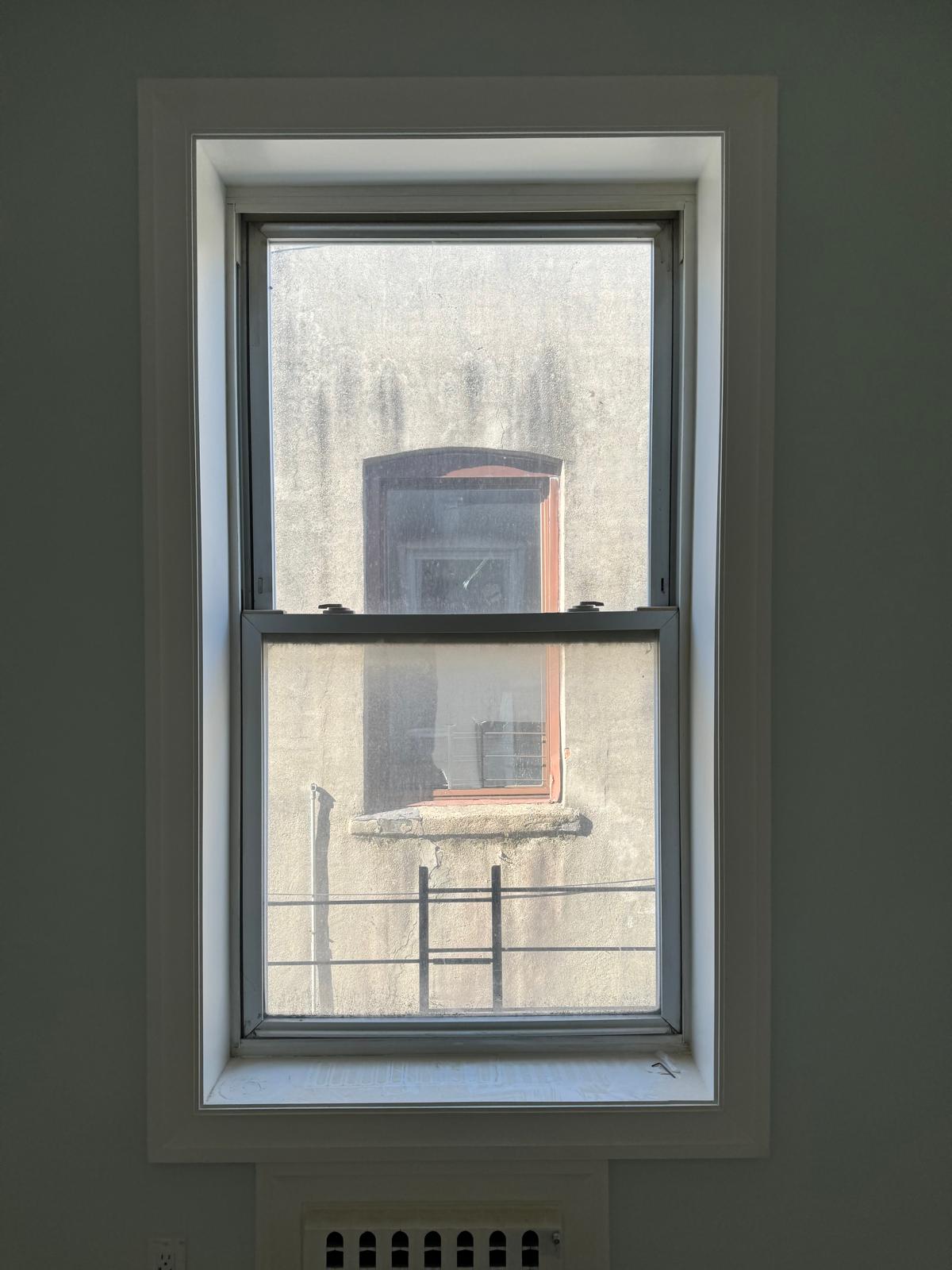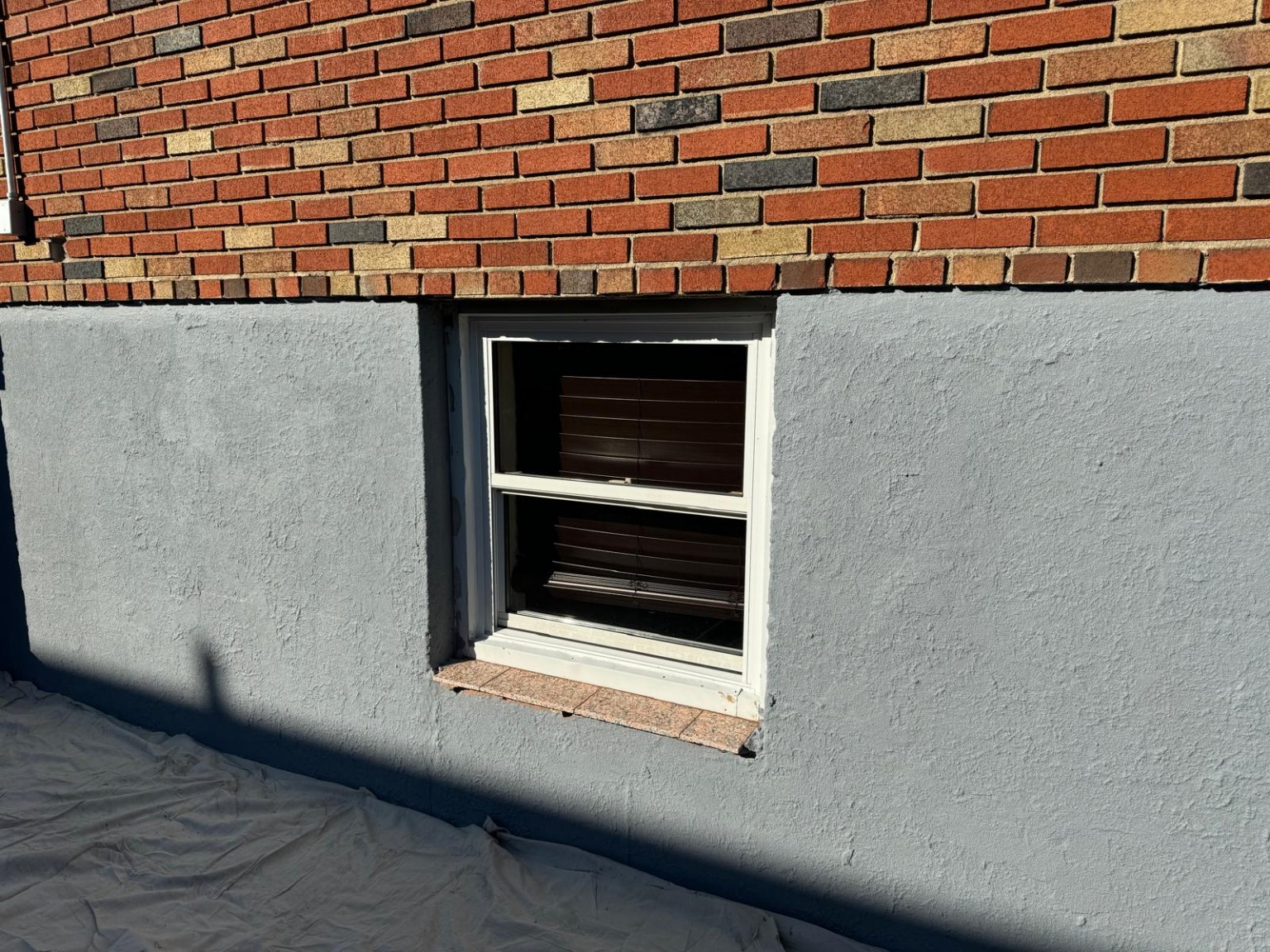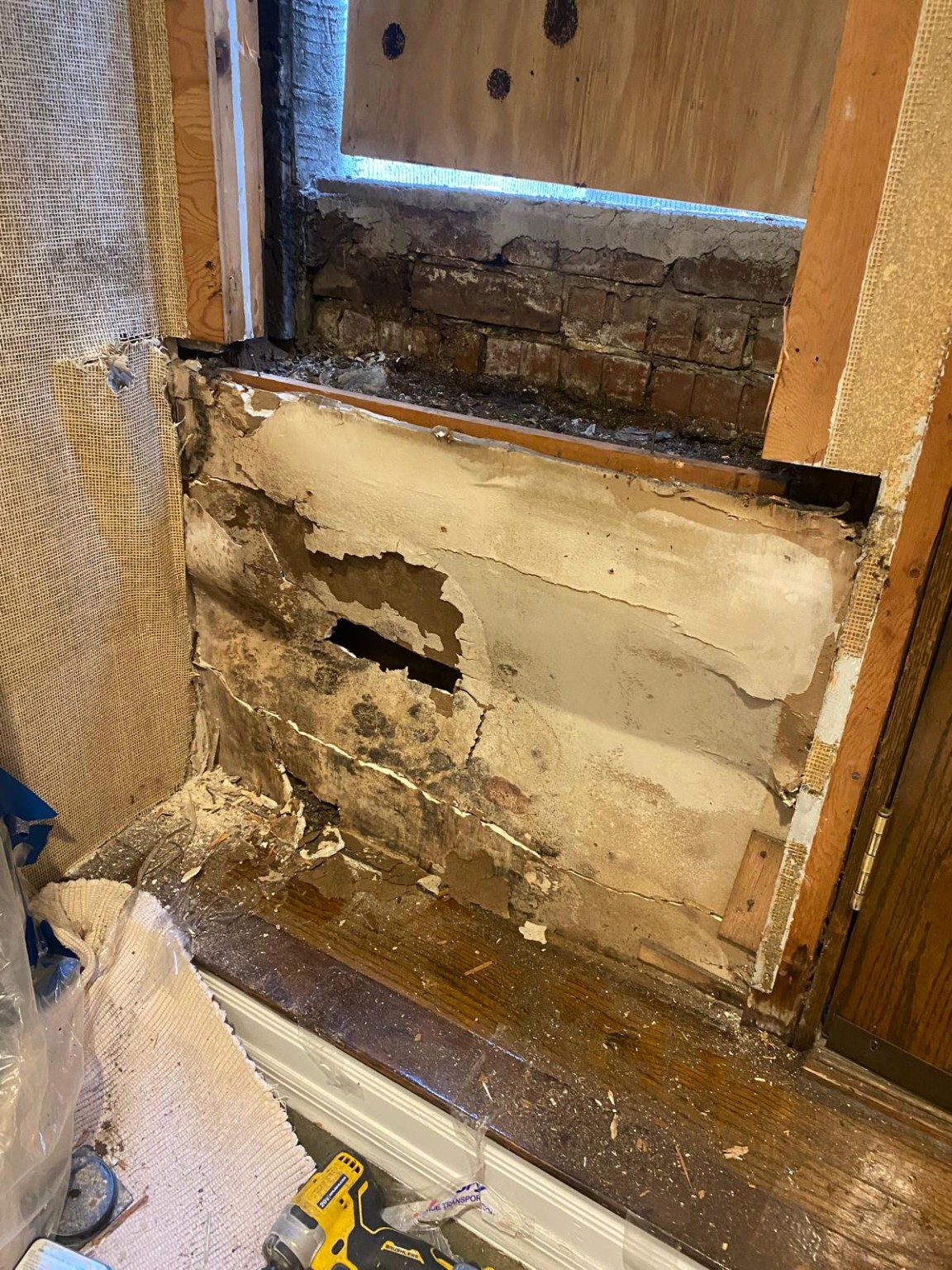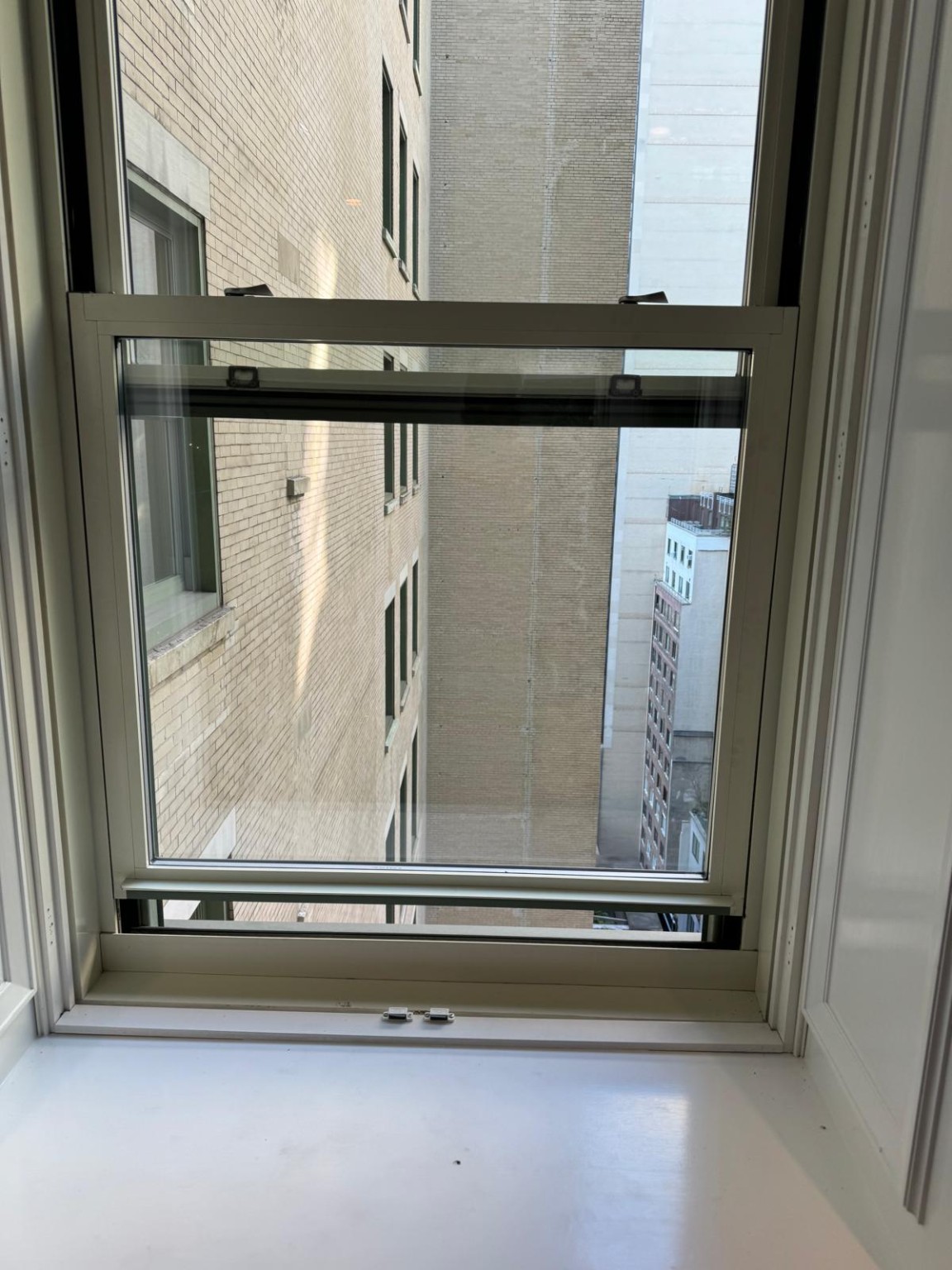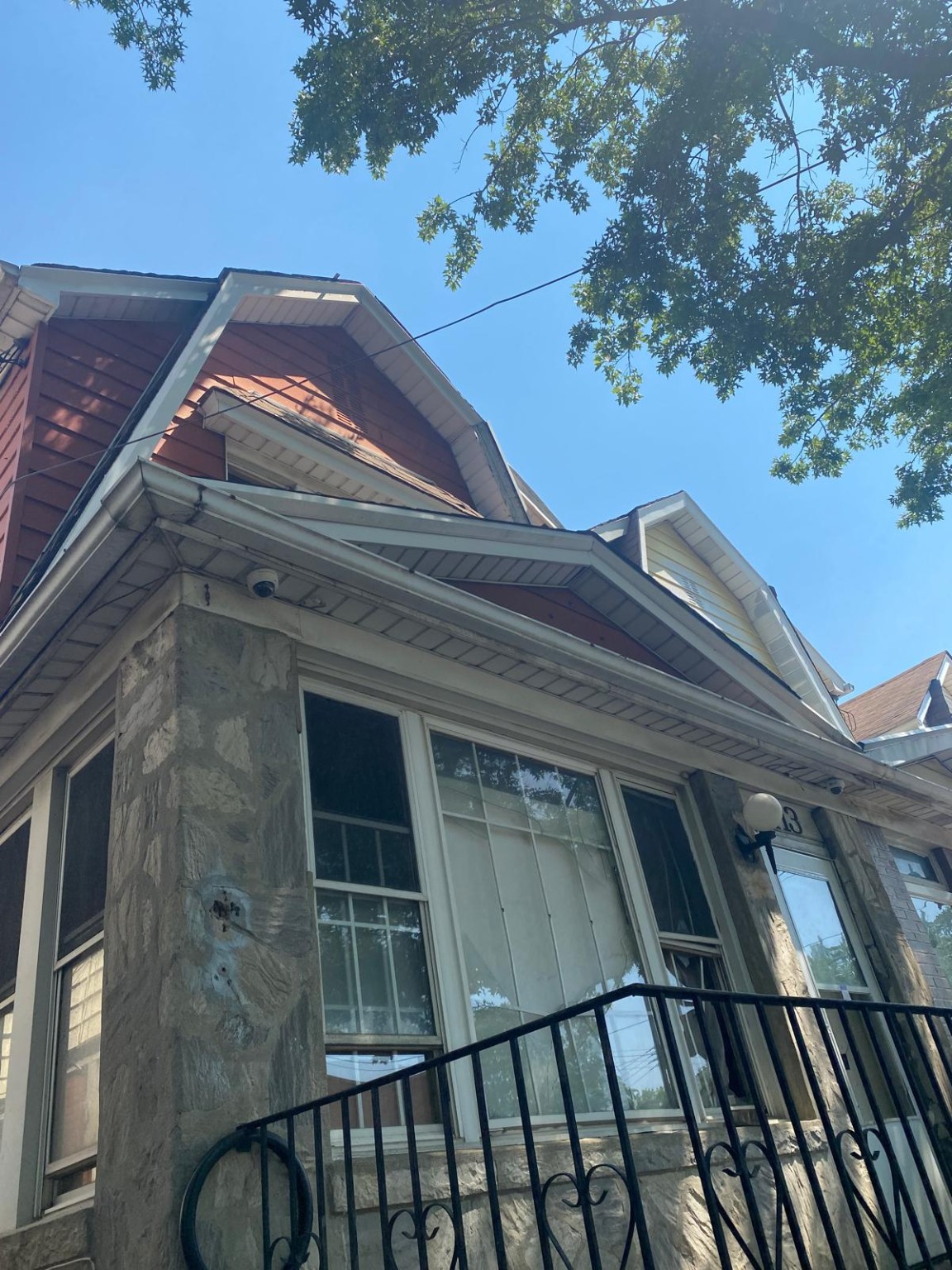
Window replacement in Brooklyn carries weight beyond simple home improvement. The borough's extraordinary architectural diversity, from Fort Greene Victorians to Prospect Park West co-ops, from Williamsburg industrial conversions to Bay Ridge mid-century ranches, demands contractors who understand how different building types, construction eras, and neighborhood contexts inform proper window selection and installation methodology.
Brooklyn property owners face distinct challenges. Landmark regulations govern work in designated historic districts throughout Brooklyn Heights, Park Slope, and Clinton Hill. Co-op and condo boards establish stringent approval requirements for window replacements in multi-family buildings. The Department of Buildings mandates specific permits for window work in most scenarios. Navigate these requirements incorrectly, and your project stalls or faces violation notices. We handle this regulatory complexity routinely, managing applications, securing approvals, and ensuring compliant installations.
Beyond bureaucratic navigation, successful Brooklyn window replacement requires matching new windows to existing architectural character while delivering modern performance. A Cobble Hill brownstone demands different window specifications than a Greenpoint warehouse conversion. Pre-war apartment buildings in Crown Heights require different approaches than new construction condos in Downtown Brooklyn. We assess your specific situation, explain options clearly, and execute installations that enhance both appearance and function.
Energy efficiency matters significantly in Brooklyn's climate extremes. Inadequate windows waste hundreds annually in heating and cooling costs. Drafts, condensation, and temperature imbalances diminish comfort. Street noise penetration disrupts daily life. Quality window replacement addresses these issues systematically, delivering measurable improvements in comfort, energy consumption, and home value. We specify windows appropriate for your building's exposure, your energy goals, and your budget constraints.
Window replacement methodology varies significantly based on building type, existing conditions, and project goals. Brooklyn's building stock spans 150+ years of construction methods, creating scenarios where one-size-fits-all approaches fail. We evaluate your specific situation and recommend installation methods matched to your building's realities.
Historic Brooklyn brownstones and row houses typically feature windows set into masonry openings with interior wood frames. Full-frame replacement removes the existing window entirely, including jambs, sills, and casing, then installs a complete new window system.
This approach works well when frames show substantial deterioration, when window openings require structural correction, or when maximizing glass area matters. We carefully remove existing units, inspect and repair masonry openings, install new windows with proper flashing and insulation, and finish interiors to match existing trim profiles. The result: windows that function smoothly, insulate effectively, and maintain period-appropriate appearance.
Pre-war and mid-century apartment buildings often retain structurally sound window frames even when sashes have failed. Insert replacement installs new window units into existing frames, preserving exterior masonry and interior finishes while updating glass and operating components.
This method minimizes installation time, reduces costs, maintains building exterior appearance (important for co-op/condo board approvals), and avoids disturbing interior walls and trim. We verify frame condition, ensure proper sizing, and execute installations that seal correctly and operate smoothly. Insert replacement delivers modern window performance within traditional Brooklyn apartment building constraints.
Properties within Brooklyn's designated historic districts, including Brooklyn Heights, Park Slope, Fort Greene, Cobble Hill, and Carroll Gardens historic districts, require Landmarks Preservation Commission approval for visible exterior work, including window replacement.
We navigate LPC requirements routinely, specifying windows that meet their strict standards: appropriate muntin profiles, correct sight lines, proper materials (wood required in most cases), and accurate proportions. Our applications include detailed specifications, product data, and installation methodology. This expertise ensures project approval without endless revision cycles, allowing your window replacement to proceed on schedule while maintaining neighborhood character.
Coordinating window replacement across multiple units in Brooklyn apartment buildings requires logistical planning, board communication, tenant accommodation, and quality control across extended timelines. We've executed projects ranging from small walk-ups to buildings with 100+ units.
Our process includes detailed project planning, phased scheduling that minimizes disruption, clear communication with property management and residents, proper staging and material delivery, systematic quality control, and thorough site cleanup. We understand co-op and condo board expectations, maintain professional conduct throughout occupied buildings, and deliver consistent results across all units. References from Brooklyn property managers and board members available upon request.
Window performance specifications determine actual real-world results. Marketing materials emphasize features; we focus on measurable performance metrics that affect your daily experience and long-term costs.
U-Factor measures how well windows prevent heat transfer. Lower numbers indicate better insulation. Brooklyn's climate demands windows with U-Factors of 0.30 or lower for optimal energy performance. Quality double-pane windows with Low-E coatings typically achieve 0.25-0.28. Triple-pane units reach 0.15-0.20. We recommend specifications matched to your building's exposure and heating/cooling systems.
SHGC measures solar radiation transmission through windows. Brooklyn summers generate significant solar heat gain, particularly in south and west-facing exposures. SHGC values between 0.25-0.35 balance daylighting with heat control. We specify SHGC based on window orientation, shading conditions, and air conditioning capacity.
Brooklyn's urban density creates substantial noise exposure from traffic, emergency vehicles, elevated trains, and general street activity. STC ratings quantify sound dampening; higher numbers indicate better noise reduction. Standard windows rate STC 25-27. Laminated glass windows achieve STC 32-35. Specialized acoustic windows reach STC 40+. For properties near Atlantic Avenue, Flatbush Avenue, or other high-traffic corridors, upgraded sound control proves worthwhile.
Air leakage undermines energy efficiency and comfort. Windows carry air infiltration ratings measured in cubic feet per minute per square foot of window area. Quality windows rate 0.30 cfm/sq ft or less. Installation quality affects these numbers dramatically; poor installation negates good window specifications. We use proper flashing, sealants, and installation procedures that deliver rated performance in actual service.
Window replacement represents significant investment. Understanding actual benefits helps assess whether replacement makes sense for your situation now, or whether deferring work remains viable.
Our window replacement work spans all Brooklyn neighborhoods. We understand local architectural contexts, navigate neighborhood-specific regulations, and maintain the material staging and logistics capabilities required for Brooklyn's dense urban environment.
Window selection involves balancing performance requirements, aesthetic considerations, regulatory constraints, and budget realities. No single window type suits all Brooklyn applications. We guide property owners through options, explaining tradeoffs clearly.
Wood windows deliver authentic appearance for brownstones, row houses, and historic district properties. Modern wood windows incorporate advanced glazing, weatherstripping, and hardware while maintaining traditional profiles. They require periodic maintenance (painting every 7-10 years) but provide superior aesthetics and longevity when properly maintained. Landmark properties often require wood windows; we source units meeting LPC specifications.
Vinyl windows offer excellent energy efficiency, minimal maintenance, and cost-effectiveness. Quality vinyl windows deliver 20-30 year service lives without painting or sealing. They work well for non-landmarked properties, apartment buildings, and situations where maintenance minimization matters. Color options remain limited (mostly white and tan), and vinyl's appearance doesn't suit all architectural styles. We specify quality vinyl windows with multi-chamber frames, reinforced meeting rails, and proper hardware.
Fiberglass windows combine wood-like appearance with minimal maintenance requirements. They offer superior strength, dimensional stability, and energy efficiency. Fiberglass accepts paint, allowing color customization and future refinishing. These premium windows suit discriminating property owners prioritizing long-term performance. Higher initial costs offset by extended lifespan (40+ years typical) and excellent energy performance.
Aluminum-clad wood windows feature aluminum exterior cladding protecting a wood interior structure. This combination delivers wood's aesthetic advantages with aluminum's weather resistance and low maintenance. The cladding never requires painting; wood interiors can be stained or painted to match interior trim. These windows work well for exposed locations and property owners wanting wood interiors without exterior maintenance requirements.
Get a free, no-obligation estimate for your Brooklyn window replacement project.
📞 Request Your Free Estimate Today